
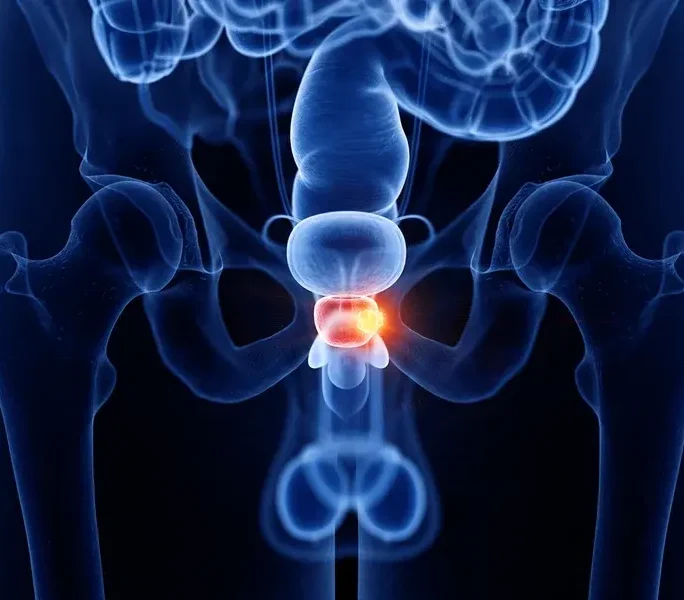
Understanding Common Changes in Prostate Health
As men age, the prostate gland naturally undergoes changes. For many men, these changes begin to appear after the age of 40 and may affect urinary habits, sleep quality, and overall comfort.
The prostate is a small gland located just below the bladder. Because the urethra passes through the prostate, changes in prostate size or function can sometimes influence how urine flows.
While occasional urinary changes can be part of normal aging, paying attention to certain signs may help men better understand when their prostate health might benefit from additional support.
Below are seven commonly reported signs that may indicate the prostate needs attention.
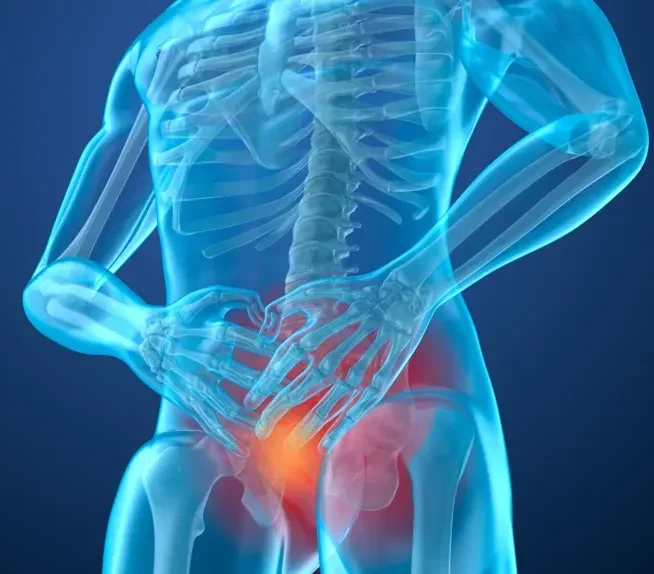


1. Frequent Nighttime Urination
One of the most commonly reported changes among men over 40 is waking up multiple times during the night to urinate.
This condition, sometimes referred to as nocturia, can disrupt sleep patterns and lead to fatigue during the day.
Frequent nighttime urination may occur when the prostate begins to place pressure on the bladder, reducing its ability to hold urine comfortably for longer periods.
2. Difficulty Starting Urination
Some men notice that it becomes harder to begin urinating, even when the bladder feels full.
This hesitation or delay can sometimes occur when the prostate affects the normal flow of urine through the urethra.
3. Weak Urinary Flow
Another sign that men often report is a weaker urine stream.
Instead of a steady flow, the stream may feel slower or less powerful than it once was.
Changes in urinary flow can sometimes occur as the prostate gradually changes with age.
4. Feeling That the Bladder Is Not Completely Empty
Some men experience the sensation that the bladder still contains urine even after finishing urination.
This feeling may lead to frequent trips to the bathroom throughout the day.
5. Increased Urgency to Urinate
A sudden and strong need to urinate can also occur for some men.
Increased urgency may make it difficult to delay bathroom visits and may affect daily activities.
6. Interrupted Sleep
When nighttime urination becomes frequent, sleep quality may decline.
Poor sleep can lead to:
- fatigue
- reduced focus
- lower daytime energy
Maintaining healthy prostate function may help support more restful sleep patterns.
7. Increased Daytime Urination
Some men notice they are visiting the bathroom more often throughout the day than they used to.
Frequent urination can sometimes be related to changes in bladder sensitivity and prostate health.
Supporting Prostate Health Naturally
Maintaining prostate wellness often involves a combination of lifestyle habits and nutritional support.
Some practices that may help support prostate health include:
- Maintaining a balanced diet rich in vegetables and antioxidants
- Staying physically active
- Drinking enough water throughout the day
- Managing stress levels
- Considering supplements formulated for prostate support
Certain supplements combine plant extracts, antioxidants, and minerals traditionally associated with prostate health.
Prostate Support Supplements
Many men explore supplements designed to support prostate wellness and urinary comfort.
These formulas often include ingredients such as:
- saw palmetto
- pumpkin seed extract
- zinc
- nettle root
Some modern formulas combine several of these ingredients in carefully designed blends intended to support normal prostate function and urinary flow.
One example is Prostadine, a liquid dietary supplement that combines plant extracts, antioxidants, and essential minerals traditionally associated with prostate health.
Men looking for natural prostate support sometimes explore formulas like this as part of their daily wellness routine.
Final Thoughts
Experiencing occasional changes in urinary habits can be a common part of aging for many men. However, recognizing the signs that the prostate may need support can help men take proactive steps toward maintaining their overall wellness.
Paying attention to symptoms such as frequent nighttime urination, weak urinary flow, or difficulty starting urination may help men better understand their bodies and explore potential ways to support prostate health.
A healthy lifestyle combined with proper nutritional support may contribute to long-term prostate wellness and overall quality of life.

