
Introduction
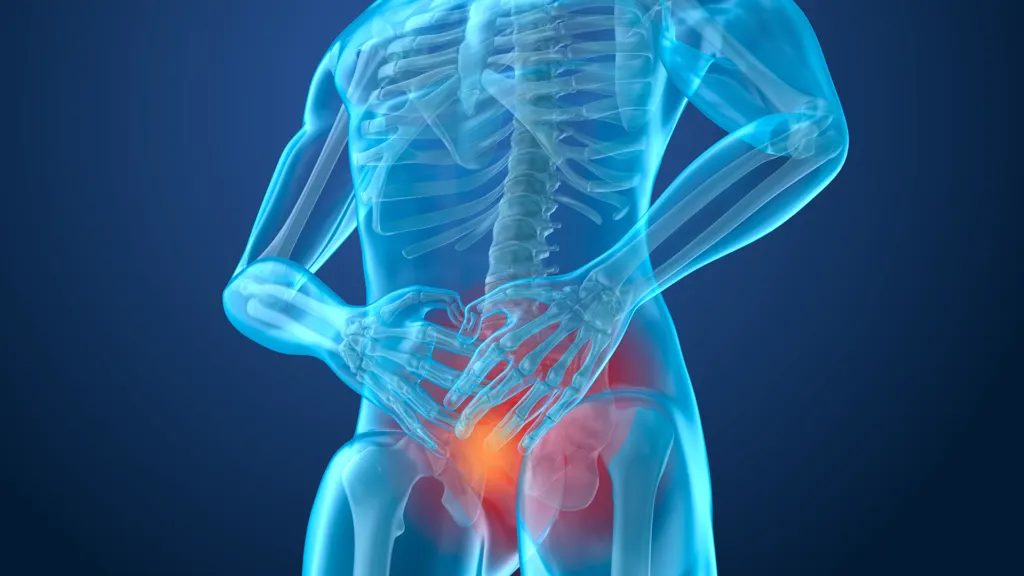
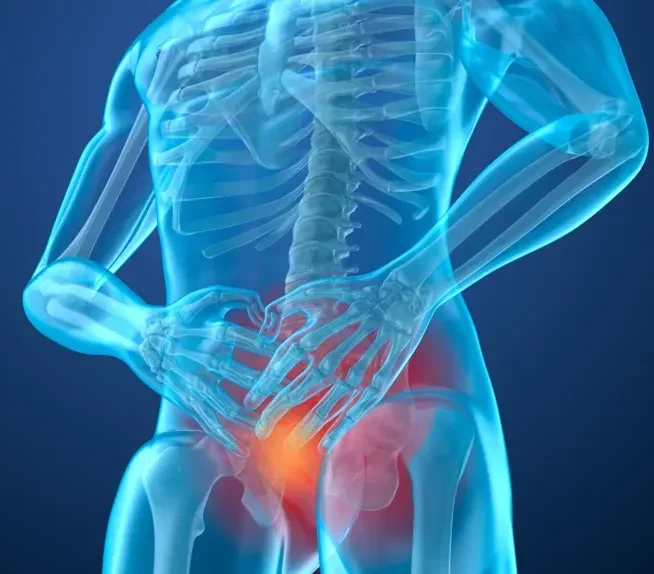
Prostate health becomes an increasingly important topic as men age. While many men begin experiencing urinary or prostate-related symptoms after the age of 40, few understand the underlying factors that may contribute to these changes.
The prostate is a small gland that plays a role in male reproductive health. Over time, natural hormonal changes, lifestyle factors, and inflammation may influence prostate function.
Understanding the hidden causes of prostate problems can help men make informed decisions about maintaining long-term health and well-being.
Understanding the Prostate
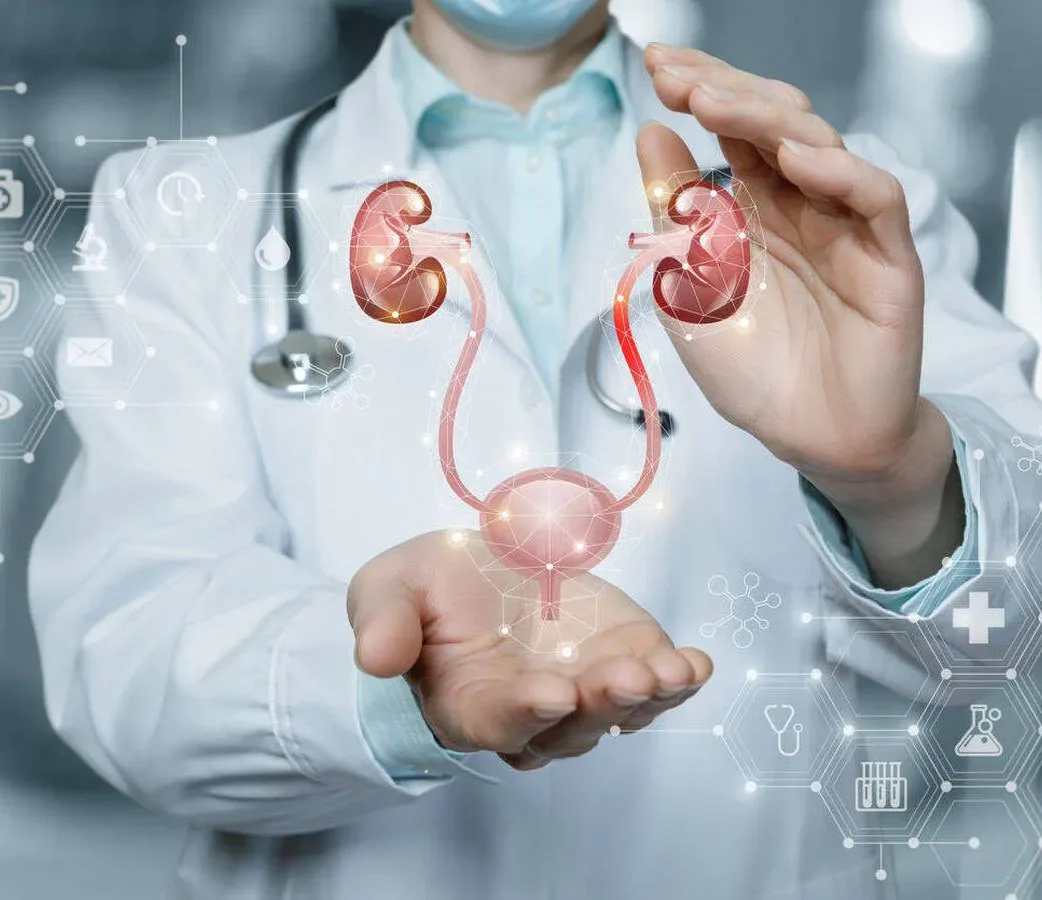
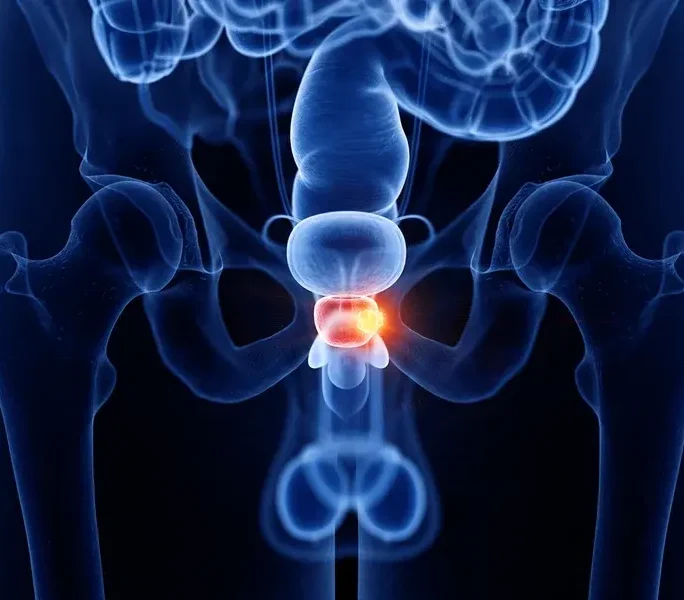
The prostate is located just below the bladder and surrounds part of the urethra, the tube that carries urine out of the body.
Its primary function is to produce fluid that helps nourish and transport sperm. Because of its position near the bladder and urethra, even small changes in prostate size or inflammation may affect urinary comfort.
As men age, the prostate may gradually enlarge, a condition commonly associated with aging.
1. Hormonal Changes
Hormones play a significant role in prostate health.
As men get older, the balance between testosterone and other hormones may change. These hormonal shifts can influence how prostate cells grow and function.
Although these changes are natural, they may contribute to symptoms such as:
- increased urinary frequency
- difficulty emptying the bladder
- interrupted sleep due to nighttime urination
Maintaining hormonal balance is therefore an important factor in long-term prostate wellness.
2. Chronic Inflammation
Inflammation is another factor that may influence prostate health.
Long-term inflammation in the body can affect many tissues, including the prostate gland. Lifestyle factors that may contribute to inflammation include:
- poor diet
- lack of physical activity
- chronic stress
- insufficient sleep
Supporting the body’s natural anti-inflammatory processes may help promote healthier aging.
3. Oxidative Stress
Oxidative stress occurs when there is an imbalance between free radicals and antioxidants in the body.
Over time, oxidative stress may contribute to cellular damage and tissue changes, including in the prostate.
Foods rich in antioxidants — such as fruits, vegetables, and certain plant compounds — may help support cellular protection.
4. Poor Circulation
Healthy circulation helps deliver oxygen and nutrients throughout the body.
As circulation becomes less efficient with age, tissues may receive fewer nutrients needed for optimal function. Maintaining cardiovascular health through regular activity and balanced nutrition may support prostate health as well.
5. Lifestyle and Diet
Daily lifestyle habits may influence prostate health more than many people realize.
Diets high in processed foods, refined sugars, and unhealthy fats may contribute to inflammation and metabolic stress.
On the other hand, diets rich in:
- vegetables
- healthy fats
- fiber
- antioxidants
may help support overall health and wellness as men age.
Supporting Prostate Health Naturally
While aging is a natural process, there are several habits that may support prostate health:
- maintaining a balanced diet
- staying physically active
- managing stress
- getting adequate sleep
- supporting the body with essential nutrients
Some men also explore natural dietary supplements formulated with plant extracts and minerals traditionally used to support prostate wellness.
Conclusion
Prostate changes after 40 are common, but understanding the underlying causes can help men take proactive steps toward maintaining their health.
Hormonal shifts, inflammation, oxidative stress, and lifestyle habits may all influence prostate function over time.
By focusing on healthy habits and staying informed, men can support long-term prostate wellness and overall quality of life.
FAQ
At what age do prostate issues usually begin?
Many men begin noticing mild prostate-related symptoms after the age of 40, although the severity varies between individuals.
What are early signs of prostate changes?
Common early signs may include increased nighttime urination, a weaker urinary stream, or difficulty fully emptying the bladder.
Can lifestyle changes support prostate health?
Healthy lifestyle habits such as balanced nutrition, regular exercise, and stress management may contribute to overall wellness and prostate support.


Amazing Vegan Products!!!